








Word Count: Approx. 1,350 words | Reading Time: About 6 minutes
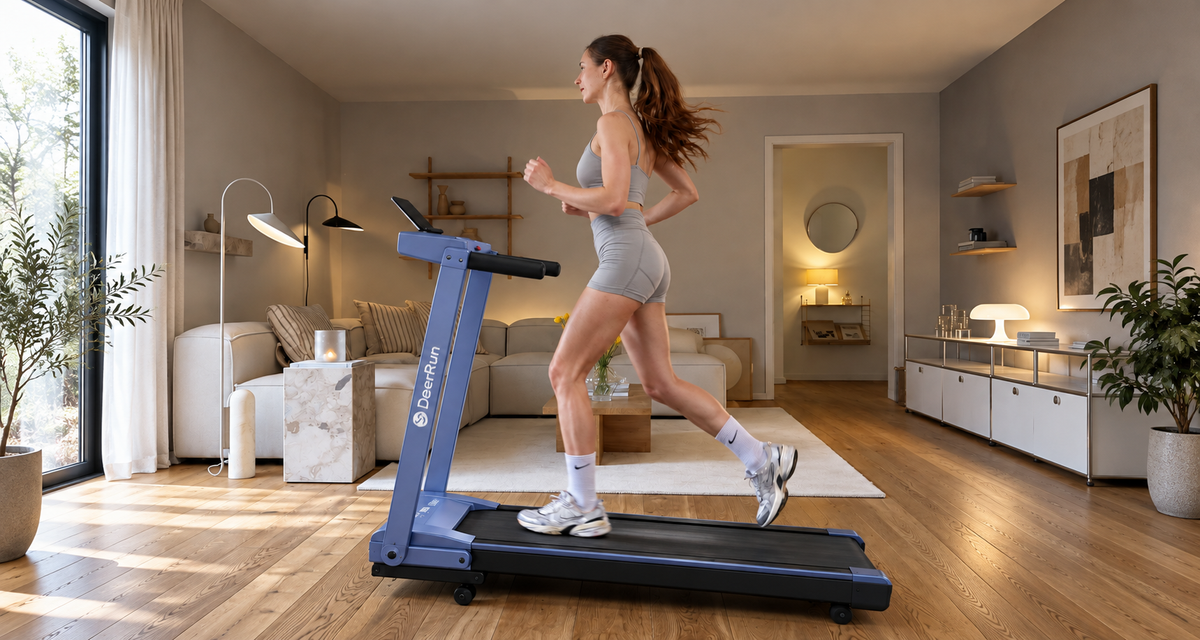
You get home from work, finish a 30-minute run on your treadmill, and notice that the area near the motor feels warm as you prepare to put the equipment away.
You may immediately wonder: Is it normal for a treadmill to get warm after 30 minutes? Have you been running for too long? Could using it like this every day create a safety issue?
A treadmill motor and its electronic components naturally generate heat while the machine is operating. However, normal treadmill motor warmth and signs of an equipment fault are two very different things.
Alongside paying attention to how the treadmill behaves during everyday use, third-party electrical safety testing can provide another useful reference when evaluating a home treadmill.
According to the TÜV Rheinland test report included with the product documentation, DeerRun's treadmill has undergone TÜV Rheinland third-party electrical safety testing covering electrical safety considerations that may otherwise be easy to overlook during normal home use.
1. Is It Normal for a Treadmill to Get Warm After 30 Minutes?
1.1 Why Does the Motor Generate Different Amounts of Heat During Walking and Running?
A treadmill motor has to keep the running belt moving continuously throughout your workout.
As speed increases, the motor generally needs to provide more output. That can also increase the amount of heat generated during operation.
For example, walking at 4.8 km/h (3 MPH) for 20 minutes and running at 9.7 km/h (6 MPH) for 30 minutes do not place the same operating demand on the treadmill.
Other factors can also affect treadmill motor heat, including:
- The user's body weight
- Running-belt friction
- Workout speed and duration
- The amount of ventilation around the treadmill
So if the motor area feels slightly warm after a workout, that alone does not necessarily mean the treadmill is malfunctioning.
What matters more is whether the warmth is accompanied by a burning smell, excessive heat, repeated shutdowns, unusual noises or error messages.
1.2 Using Your Treadmill Every Day? Watch These 3 Things
If you regularly use a home treadmill after work, pay particular attention to three areas.
- Running belt: Check for obvious belt misalignment, hesitation, unusual rubbing or abnormal friction noises.
- Ventilation areas: Make sure furniture, boxes or other objects are not blocking airflow around the treadmill.
- Operating condition: Watch for repeated unexpected shutdowns, abnormal noises or fault messages.
This is particularly important if your treadmill is placed in a bedroom or home office.
Do not push the equipment tightly against furniture simply to save a little more floor space. Following the manufacturer's recommended operating and ventilation clearance is more useful for safe treadmill use than focusing only on whether each workout lasts 20 or 30 minutes.
2. Why Electrical Safety Matters for Everyday Home Running
When choosing a treadmill, maximum speed, incline and running stability are usually among the first specifications people compare.
But a treadmill is also electrical equipment that remains powered throughout the workout. That means operating temperature and electrical protection deserve attention too.
The test report supplied for the DeerRun treadmill records a Pass result from TÜV Rheinland testing. For people who regularly exercise at home, this provides an additional reference beyond workout specifications alone.
In other words, when comparing home treadmill safety, it is useful to look beyond how fast the treadmill runs or how steep the incline goes and also consider whether relevant electrical safety aspects have undergone professional third-party testing.

3. What Features Make Running at Home More Convenient?
3.1 A 20–30-Minute Run After Work Doesn't Have to Be at Maximum Speed
If you want a simple cardio session after work, you do not need to challenge the treadmill's maximum speed every time.
You could use this straightforward 25–30 minute structure:
- 5 minutes: Walk at an easy pace to warm up.
- 15–20 minutes: Jog at a comfortable, manageable speed.
- 5 minutes: Finish with slower walking.
The DeerRun A1 Pro supports speeds from 1–16 km/h, covering everyday Walking, Jogging and faster Running.
For people who are already comfortable with flat running, the DeerRun A1 Pro also includes a 6% manual incline, giving you another way to change workout intensity without always increasing speed.
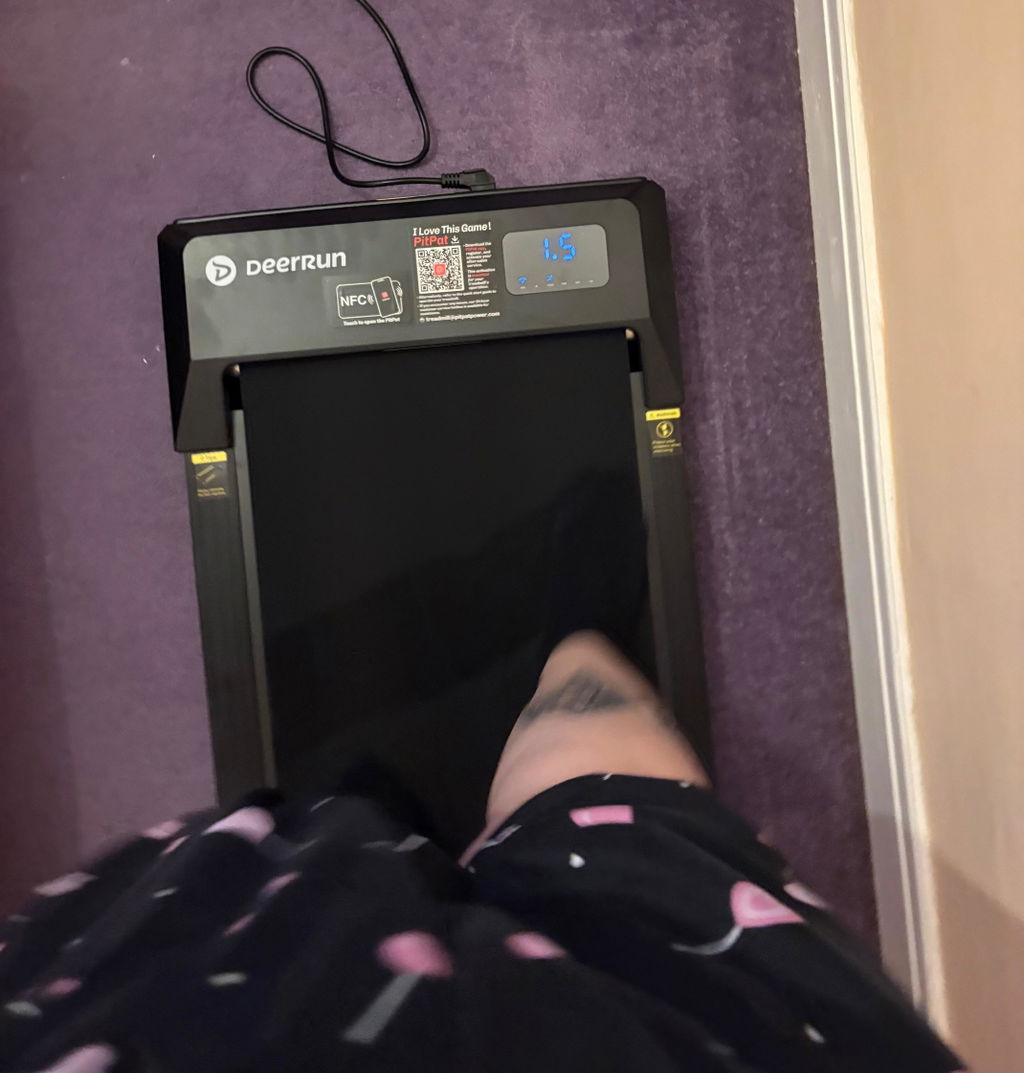
Verified customer @Patty Simmons, who had previously used a smaller machine closer to a Walking Pad, described the DeerRun A1 Pro as noticeably more stable, sturdy and smooth.
She also highlighted its quiet motor, noting that during exercise the sound of her footsteps on the running belt was more noticeable to her than the motor itself.

For anyone considering an upgrade from a basic Walking Pad to a running treadmill, that experience offers a more practical reference for the A1 Pro's stability, running feel and operating noise.
3.2 After Your Run: Easier Storage and Workout Tracking
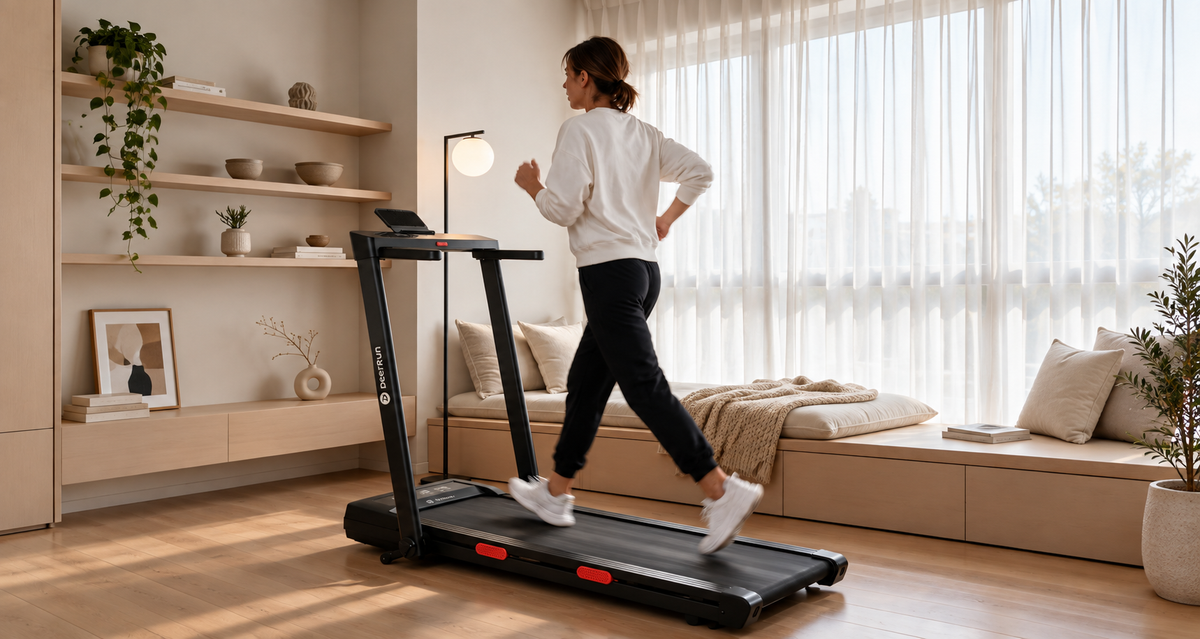
If your treadmill sits in the living room, you may not want it occupying the main activity area all day.
The DeerRun A1 Pro uses a foldable design, making it easier to reclaim some floor space once the workout is finished.
It also supports workout tracking through the PitPat App, allowing you to review training data and see how many sessions you have completed instead of relying entirely on memory.
Verified customer @Rogelio Acero specifically highlighted both features, saying he liked the app's workout tracking and found the treadmill's compact size convenient when putting the machine away after use.

If you normally run three or four times per week, reviewing your records can help you compare different training days and keep track of your routine.
Before storing the treadmill, wait until the running belt has stopped completely. Then switch off and fold the equipment according to the product instructions.
3.3 First Time Running at Home? Check These 3 Areas
Before your first home treadmill workout, take a few minutes to inspect the equipment.
| What to Check | What to Look For |
|---|---|
| Running Belt | No obvious misalignment, foreign objects or unusual friction |
| Power Cord and Plug | No visible damage and compatible with the treadmill's power requirements |
| Surrounding Space | Stable placement with sufficient room for exercise and ventilation |
These basic checks can also help you identify possible shipping damage, setup problems or equipment issues before starting your workout.
4. FAQ: Treadmill Heat and Electrical Safety at Home
4.1 What Are the Warning Signs of Abnormal Treadmill Overheating?
A noticeable burning smell, smoke, excessive heat or repeated unexpected shutdowns may indicate a problem.
Stop using the treadmill. When it is safe to do so, disconnect it from the power supply and contact customer support for further inspection.
Do not repeatedly restart a treadmill that continues to show signs of abnormal overheating or malfunction.
4.2 Can I Plug a Home Treadmill Into a Regular Wall Outlet?
First check the treadmill's rated voltage, power requirements and electrical instructions on the product label and in the manual.
Use an outlet that meets the manufacturer's requirements.
Avoid sharing an unsuitable power strip with other high-powered appliances, and do not use an extension lead unless the treadmill manufacturer specifically permits it.
4.3 Can I Restart My Treadmill Immediately if It Suddenly Stops?
Start by checking whether the treadmill shows an error message.
You can also inspect the power connection and safety key according to the product manual.
If the treadmill repeatedly stops or is accompanied by abnormal heat, unusual smells or other operating problems, stop using it and contact customer support instead of repeatedly trying to restart it.
5. Conclusion: A Better Running Experience Also Depends on Electrical Safety
When choosing a home treadmill, speed, incline and running comfort are important—but treadmill electrical safety should not be overlooked.
A slightly warm motor area after a 30-minute workout does not automatically mean something is wrong.
What deserves more attention is whether that warmth comes with abnormal signs such as a burning smell, excessive heat, repeated shutdowns or unusual operating behaviour.
From the TÜV Rheinland third-party test report to the running performance and everyday usability of the DeerRun A1 Pro, the practical details matter just as much as headline specifications.
Pay attention to how the treadmill runs, leave enough ventilation space, inspect the power connection and stop using the equipment if abnormal heat or other warning signs appear.
Run More Comfortably. Train With Greater Confidence.
From everyday jogging to more challenging running sessions, choose a speed and workout style that fits your needs with the DeerRun A1 Pro.
Explore DeerRun A1 Pro →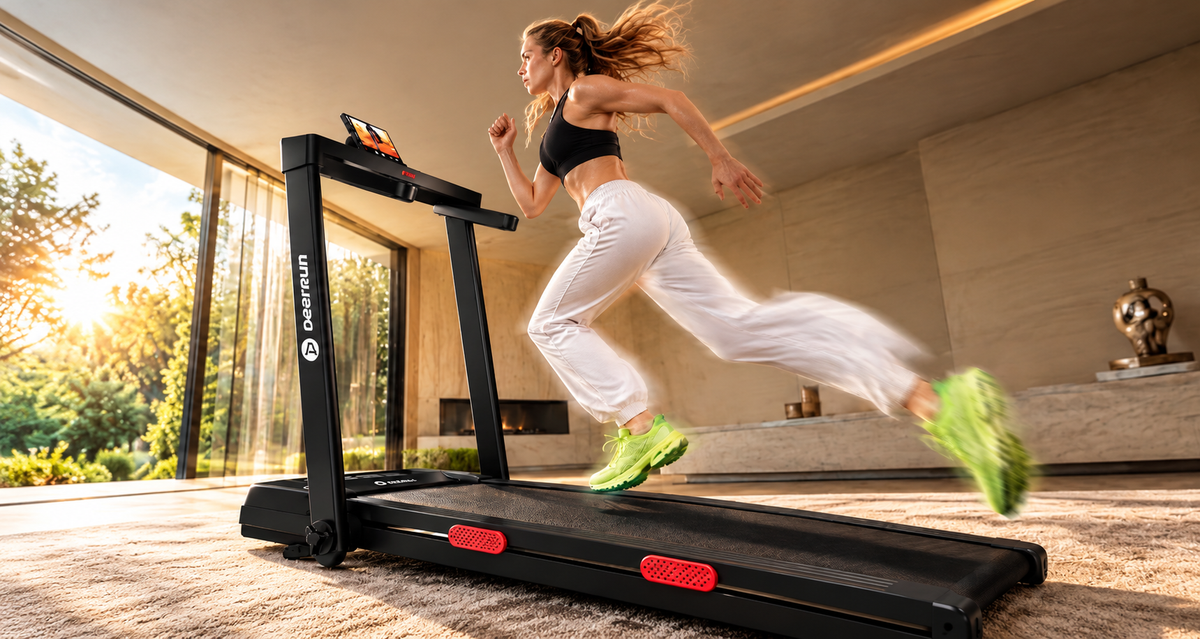


Leave a comment
All comments are moderated before being published.
This site is protected by hCaptcha and the hCaptcha Privacy Policy and Terms of Service apply.