








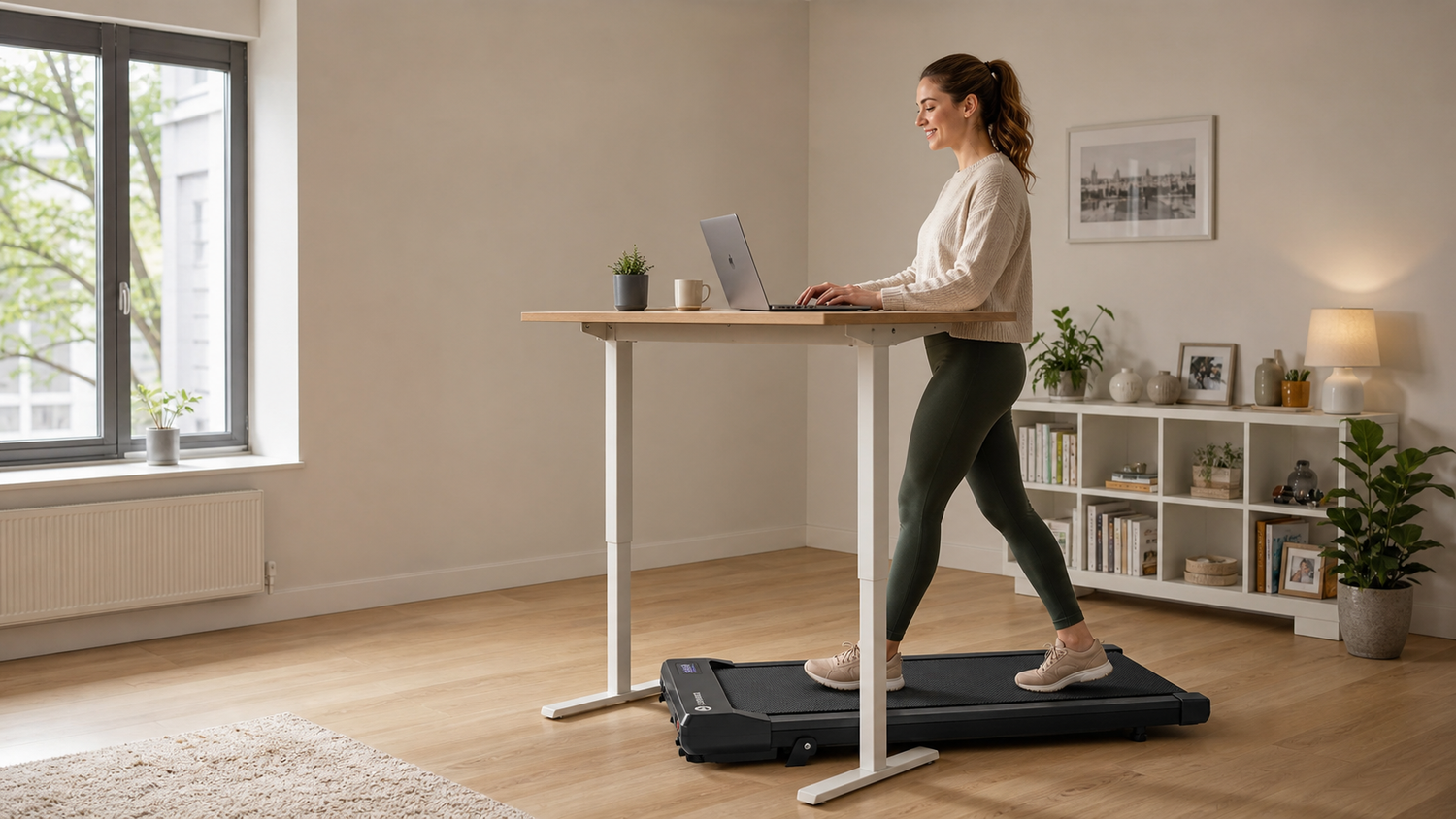
Working from home can make the day feel surprisingly still. Without a commute, a walk to the station or regular movement around an office, several hours can pass before you realise you have barely left your desk.
A walking pad offers a practical way to add gentle movement without turning every session into a formal workout. It can sit beneath a standing desk, fit into a spare room or be brought out for a short walk between meetings.
The key is to start simply. You do not need to walk for hours or work at a fast pace. A comfortable setup and a repeatable routine are more useful than an ambitious plan that is difficult to maintain.
 A clear, level setup makes workday walking easier to fit into a home office routine.
Start with the Right Home Office Setup
Before you begin walking, make sure the space feels stable and uncluttered.
Place the walking pad on a firm, level surface with enough room to step on and off safely. Keep cables, chair legs and storage boxes away from the belt. If you use a standing desk, the keyboard and screen should be positioned so that you can look ahead rather than constantly leaning down.
A treadmill mat can also be useful on hard floors. It helps create a more stable base and may reduce the transfer of vibration through the floor, particularly in flats or upstairs rooms.
Wear comfortable footwear with a secure fit. Although the pace may feel gentle, supportive shoes can make longer sessions more comfortable and help you maintain a natural walking position.
Choose a Pace That Lets You Work Comfortably
Walking while working is different from completing a dedicated cardio session.
Your first goal is not to move as quickly as possible. It is to find a pace at which you can remain balanced, think clearly and use your desk without feeling rushed.
Begin at the lowest comfortable speed and spend a few minutes getting used to the movement. Simple tasks such as reading, checking email or listening to a call are usually easier to combine with walking than detailed design work or fast typing.
If your shoulders become tense, your hands feel unsteady or you keep drifting towards the edge of the belt, reduce the speed. The right pace should feel controlled rather than distracting.
A Simple 20-Minute Beginner Routine
You can use this routine as a starting point and adjust it to suit your day.
Minutes 0–5: Settle Into the Walk
Start slowly and allow your stride to become natural. Keep your posture upright, look ahead and let your arms relax.
Use this section for a low-focus task, such as reviewing your calendar or listening to a short update.
Minutes 5–15: Find a Steady Working Pace
Increase the speed slightly only if you still feel comfortable and stable. The middle of the session should feel easy enough to maintain without affecting your concentration.
This is often the best time for reading, routine admin or a meeting where you do not need to take detailed notes.
Minutes 15–20: Slow Down Gradually
Reduce the pace for the final five minutes. Give yourself time to adjust before stepping off, particularly if you have been focused on a screen.
When the belt has stopped completely, step onto the side or floor and take a moment before sitting down again.
Build Movement Around Your Working Day
One long session is not the only way to use a walking pad. Shorter walks can be easier to fit around a busy schedule.
You might try:
- 10 minutes before your first meeting
- 15–20 minutes while reading or listening
- a short walk after lunch
- 10 minutes at the end of the working day
This approach can make movement feel like a normal part of your routine rather than another task on your list.
It also gives you the freedom to stop when work becomes more demanding. If you need to write carefully, present on camera or concentrate on detailed figures, pause the walking session and return to it later.
 Incline walking is better saved for a dedicated exercise break away from the desk.
Flat Walking or Incline Walking?
Flat walking is usually the most practical choice when you are working at a desk. It keeps the movement predictable and makes it easier to type, read and maintain balance.
Incline is better suited to a dedicated exercise break. Raising the slope increases the effort without requiring a high speed, so even a shorter session can feel more challenging.
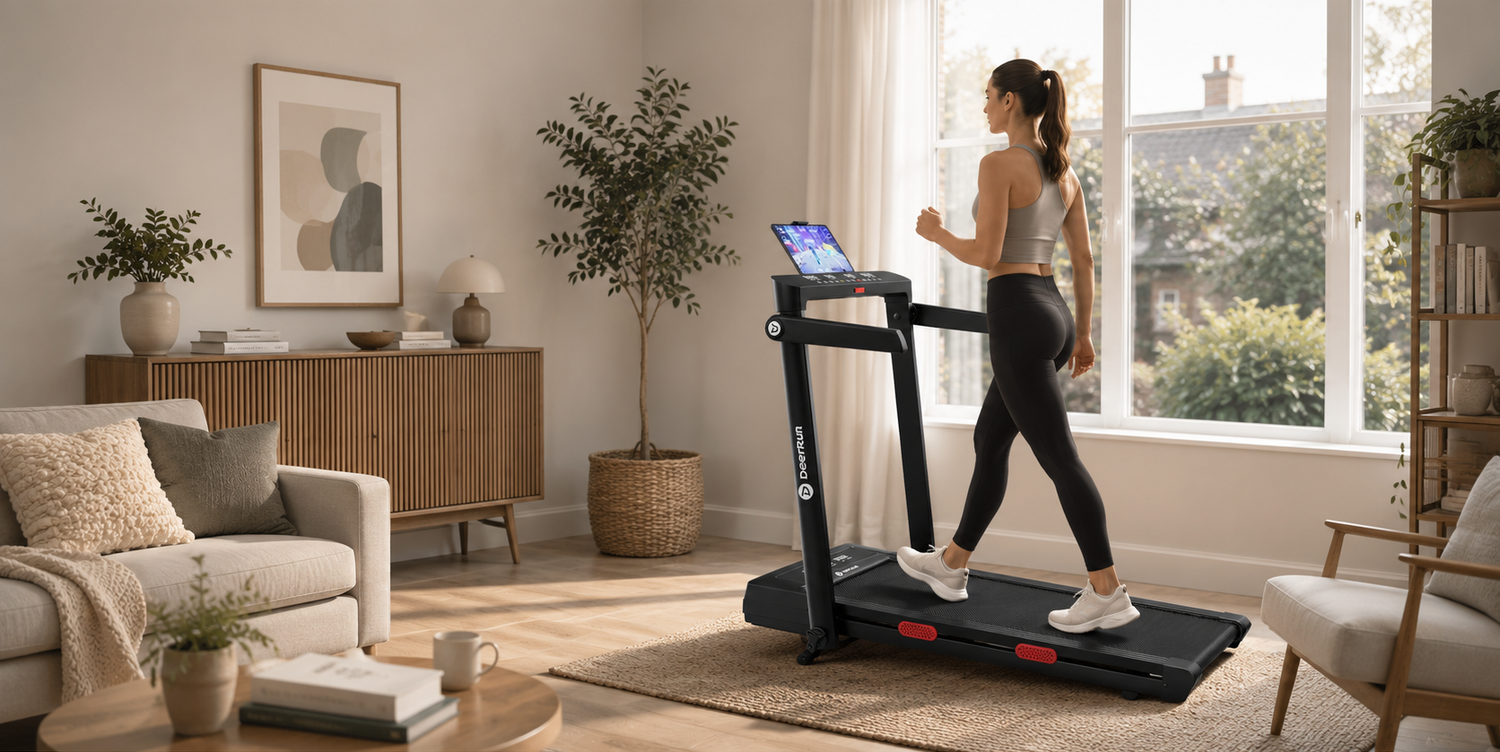
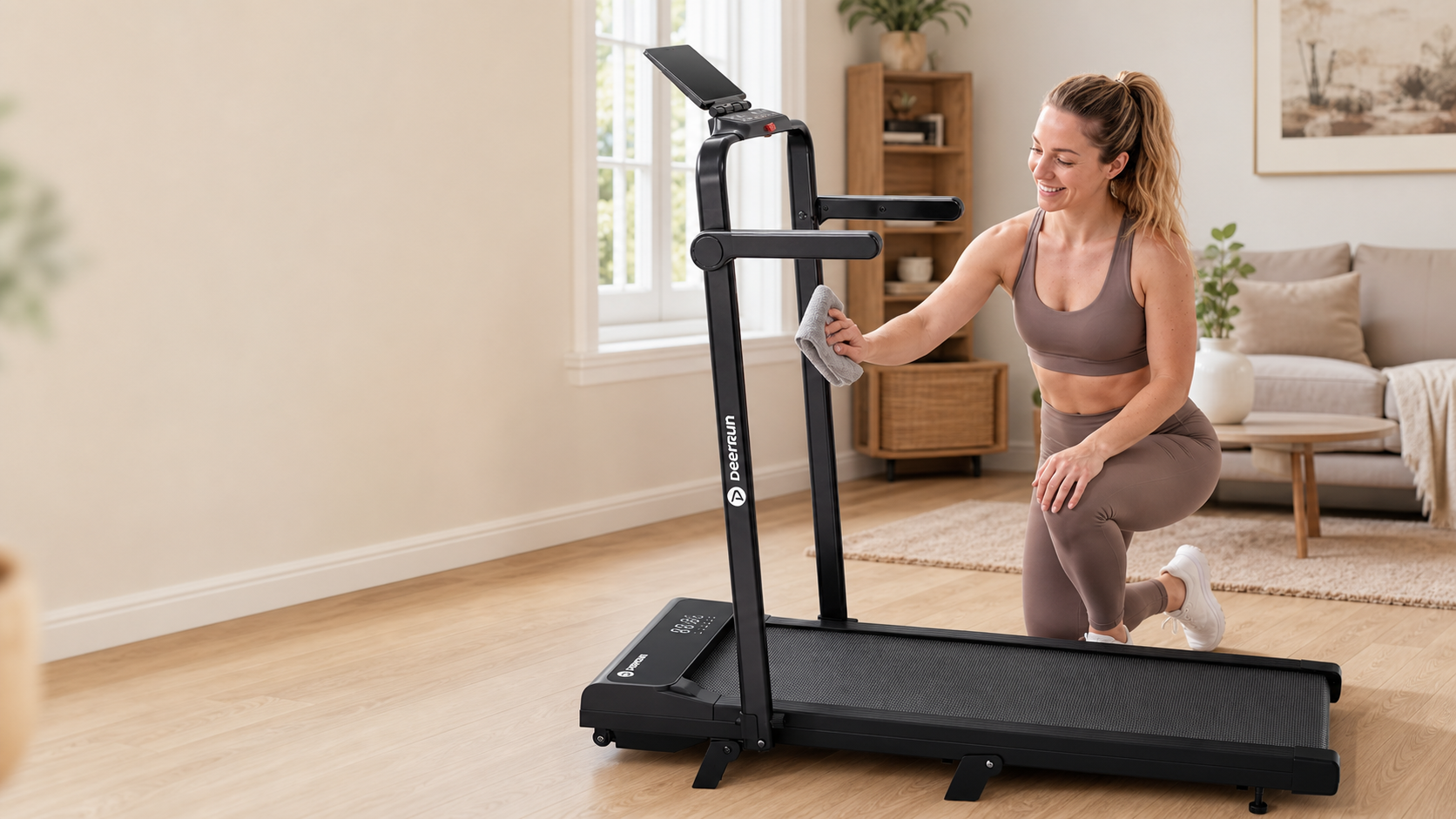
The DeerRun Q2 Urban walking pad is a compact option with a 7% incline, designed for everyday movement in smaller spaces. The DeerRun Z10 walking pad offers up to 12% automatic incline for users who want more flexibility between relaxed walking and focused power-walking sessions.
For desk work, keep the incline and pace comfortable. Save steeper settings for times when you can focus fully on the walk.
Common Mistakes to Avoid
Starting Too Fast
A pace that feels easy during a normal walk may feel less comfortable when you are also reading or typing. Begin more slowly than you think you need to and increase the speed only when your balance feels natural.
Looking Down for Too Long
Constantly looking at your feet can affect posture and make the walk feel less stable. Position your screen closer to eye level and use brief glances when checking your position.
Walking Through Every Task
Not every part of the working day suits a walking pad. Tasks that require precise mouse control, detailed writing or an important presentation may be easier while standing still or sitting.
Forgetting to Clear the Area
Make sure children, pets and loose items stay away from the moving belt. Keep the remote or stop control within easy reach and always allow the machine to stop fully before stepping away.
 Choose a flatter workday setup or a stronger incline-led session according to how you plan to move.
Which Walking Pad Suits a Home Office?
Think first about the way you plan to use it.
A slim walking pad may suit you if you want gentle movement during desk-based work and need a machine that fits naturally into a smaller room.
An incline walking pad may be the better choice if you also want more demanding sessions away from the desk. It gives you the option to keep workday walking easy, then add a hill-style challenge when you have time to exercise properly.
Measure the floor space before ordering and decide where the machine will be stored. A walking pad is most useful when it is convenient enough to bring into your routine regularly.
Final Thoughts
Using a walking pad while working from home does not need to be complicated. Start with a clear space, choose a controlled pace and match the session to tasks that do not require your full physical attention.
Short, comfortable walks can be easier to repeat than occasional long sessions. Once the routine feels natural, you can gradually add time or use incline during separate workout breaks.
The best setup is the one that helps movement fit into your day without making work feel harder.


Leave a comment
All comments are moderated before being published.
This site is protected by hCaptcha and the hCaptcha Privacy Policy and Terms of Service apply.