







Word Count: Approx. 1,300 words | Reading Time: About 6 minutes
If you only have 30 minutes a day to exercise, the most important thing when buying a treadmill is not getting as many features as possible. It is whether the treadmill lets you start quickly, complete the workouts you will actually do, and spend less time on adjustments and storage.
When time is limited, setup, unfolding, adjusting and storing the treadmill all take away from the small amount of workout time you have. A treadmill may look impressive on paper, but if it is a hassle to use every time, your 30-minute window can easily turn into less than 20 minutes of actual exercise.
So before choosing one, start with one question:
How are you actually going to train during those 30 minutes each day?
Will you be doing easy walking, combining walking and running, doing dedicated running workouts or incline training? The answer determines which speed range, incline options, dimensions and storage features are actually worth prioritising.
1. If You Only Have 30 Minutes a Day, Check Whether the Treadmill Will Waste Your Time
If you only have 30 minutes a day, the first thing to consider when buying a treadmill is not its maximum speed. It is this: How much of those 30 minutes will you actually spend exercising?
If a treadmill takes five minutes to move and unfold every time, then several more minutes to adjust the settings and put it away afterwards, your 30-minute workout can easily shrink to only around 20 minutes of actual training.
Start with three practical questions:
-
Can you start exercising within 1–2 minutes?
If you simply want to walk for 20–30 minutes after work, equipment that is quick to start and straightforward to adjust is better suited to this routine. -
Can it directly support the workout you do most often?
If you mainly walk, look at the lower speed range first. If you jog or run, consider the maximum speed and running-belt space. If incline training is a regular part of your routine, move the incline adjustment method higher up your checklist. -
Will you have to spend a lot of time putting the room back afterwards?
If your living room or bedroom still needs to function normally during the day, folding, moving and storage may matter more than many extra features.
For someone with only 30 minutes a day, the treadmill worth buying is not the one with the most features. It is the one that wastes the least of your workout time.
2. Will You Spend Those 30 Minutes Walking, Jogging or Running? Decide on the Speed Range First
A higher maximum speed does not automatically make a treadmill more worth buying. What matters is whether you will actually use it.
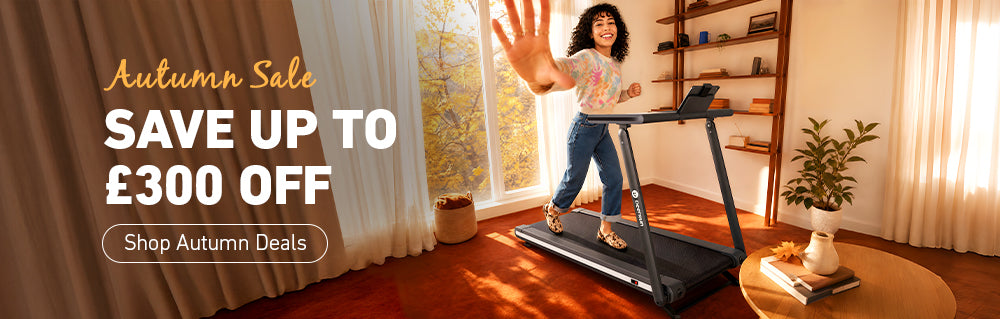
If your goal is simply to get more steps each day or walk comfortably at home for 20–30 minutes, the DeerRun Q2 Urban has a 1–6 km/h speed range, which already covers everyday walking. It is better suited to fitting movement into work, television time or other gaps in the day than to chasing higher running speeds.
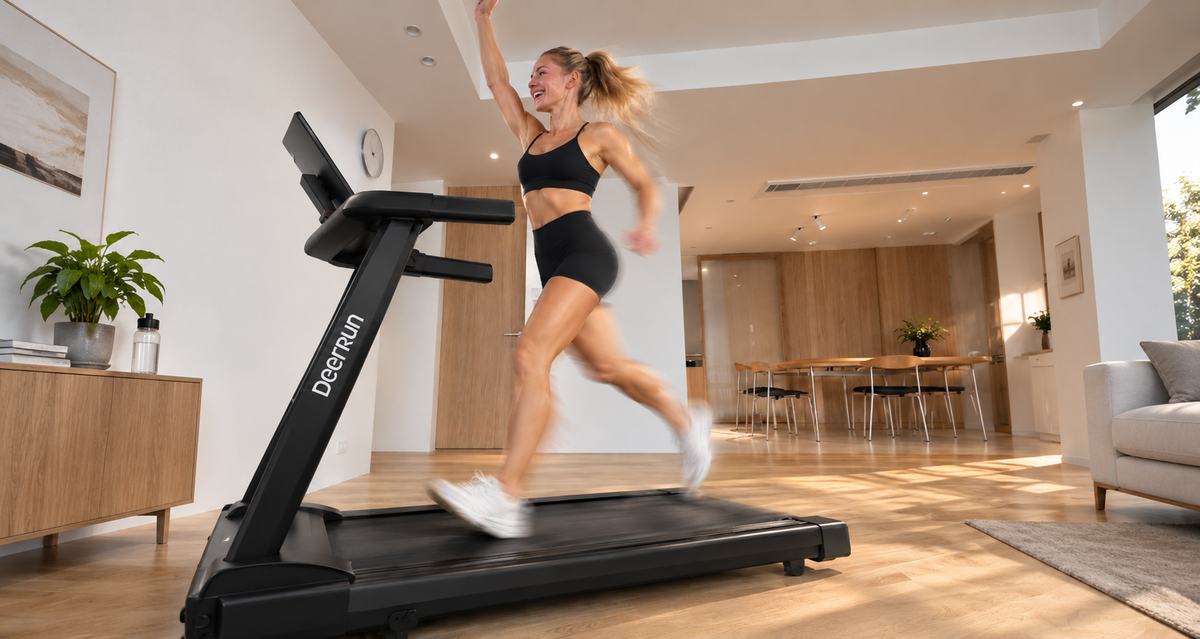
If you mainly walk now but want the option to add jogging or running later, the DeerRun Z10 Pro gives you a broader 1–12 km/h speed range. From easy walking and brisk walking to running, one machine can continue to support your workouts as you progress, so you do not need to replace it as soon as your training changes.
If those 30 minutes are already reserved specifically for structured running workouts, the DeerRun A1 Pro, with a maximum speed of 16 km/h, becomes a more meaningful choice.

3. If You Want More Variety in 30 Minutes, Do You Need Incline?
When your workout time is fixed at around 30 minutes, the main value of incline is adding variety to your training rather than simply pushing you to go faster.
If you only want easy walking, incline is not essential.
But if you want to increase the challenge while staying at a similar speed, the DeerRun Z10 Pro offers up to 12% automatic incline, which can be adjusted during your workout without stopping to make manual changes.
That is especially convenient for a 30-minute workout. You can start with flat walking or jogging, add incline in the middle, then lower it again towards the end without having to keep increasing your speed simply to make the workout more challenging.
So do not choose it simply because “12% sounds more powerful”. It is only worth prioritising if incline training is already something you expect to use regularly.
4. If Your Workout Is Only 30 Minutes, Don’t Let Setup and Storage Take Another 10
When time is limited, it is easy to overlook the fact that what happens before and after your workout also takes time.
If your living room, bedroom or home office needs to return to normal use during the day, the treadmill’s size and storage method can directly affect whether you are willing to take it out and use it every day.
The DeerRun Q2 Urban measures approximately 108.2 × 50 × 10 cm when in use, giving it a footprint of about 0.54 m²—roughly the floor space of a small coffee table. At only 10 cm high, its low-profile design makes it easier to use storage space under a desk, under a suitable bed or close to a sofa.
More importantly, going from storage to ready-to-use takes only about 5 seconds. For someone with only 30 minutes a day, that means you do not need to spend several minutes moving the machine, unfolding it or rearranging the room before you can begin. Take it out, start walking and put it away quickly when you are finished.
What you are really saving is not just space, but those few minutes before every workout.

If you need a treadmill that supports more complete running workouts but can still free up the room quickly afterwards, the DeerRun Z10 Pro measures approximately 130.4 × 68 × 119.4 cm when in use, with a footprint of about 0.89 m²—roughly comparable to the floor space of a small desk.
For storage, it measures approximately 138.2 × 68 × 14.3 cm when folded, giving it a profile of only 14.3 cm. Together with its built-in transport wheels, this makes it easier to move towards a wall or another suitable storage position after training.
What really determines whether you will continue using it over the long term is not just how much floor space it occupies, but how much effort it takes to put away after every workout.
5. Are Smart Features Worth It? See Whether They Help You Make Fewer Decisions
When you only have 30 minutes a day, there is another way time can easily disappear:
“What am I going to do today?”
If every workout begins with searching for a plan, deciding on a speed or trying to remember what you did last time, you have already used part of your available time before you even start moving.
That is where PitPat AI Coach can be useful: helping you record your training and providing training direction so you can get into your workout more quickly instead of starting from scratch each time.
Whether a smart feature is worth paying for comes down to one question: does it make it easier for you to start, rather than giving you more things to operate?
6. If You Only Have 30 Minutes a Day, Which Treadmill Should You Choose?
If you genuinely only have 30 minutes a day for exercise, prioritise four things when choosing a treadmill: Can you start quickly? Can it support the workout you do most often? Are the speed and incline controls easy to adjust? Is it easy to store when you are finished?
If you mainly do easy walking, a compact footprint, a suitable low-speed range and quick setup matter more. If you want to progress from walking to running, you will need a wider speed range. If incline training is a regular part of your routine, automatic incline will be more practical. And if you already focus primarily on structured running workouts, higher speeds and running space deserve more attention.
So the best treadmill for a 30-minute workout is not necessarily the one with the most features or the highest specifications. It is the one that wastes the least of your time and best matches the way you actually train.
Before buying, ask yourself just three more questions:
- How do I usually train during those 30 minutes?
- Which features will I actually use every week?
- Will this treadmill make it easier for me to start?
Buy for the version of yourself who will actually exercise for 30 minutes a day—not the imaginary version who trains for two hours every day.
Make Those 30 Minutes Count
Choose a treadmill that lets you start quickly, complete the workout you actually want to do and spend less time dealing with storage afterwards.
Explore DeerRun Treadmills →



Leave a comment
All comments are moderated before being published.
This site is protected by hCaptcha and the hCaptcha Privacy Policy and Terms of Service apply.