








Word Count: Approx. 1,200 words | Reading Time: About 6 minutes
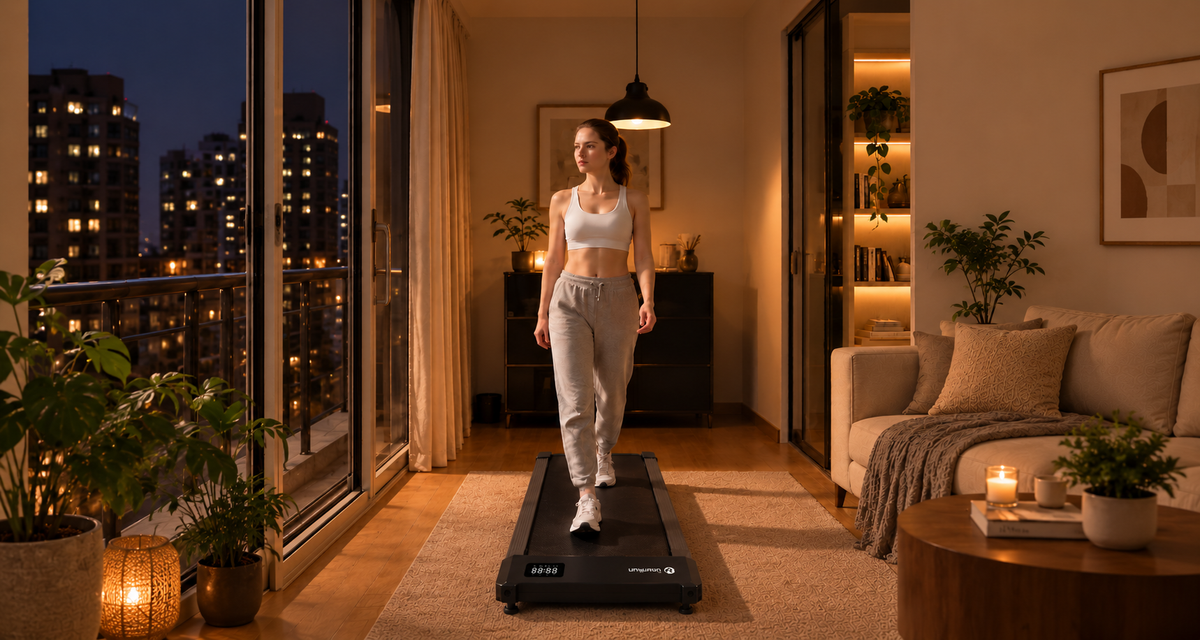
If you spend most of the day sitting at a desk and do not feel like heading outside for a separate workout after work, a Walking Pad can be an easy way to add more movement to your day.
Walk for 10 minutes before a meeting, get a few more steps during lunch, then walk again while watching television. Without setting aside a full workout session, you can gradually add a meaningful amount of daily activity.
But once you start using a Walking Pad regularly, a few questions usually come up:
Can you use a Walking Pad every day? Is 20 minutes a day enough? How fast should you walk on a Walking Pad?
A Walking Pad works best as a way to increase daily movement, rather than something that has to become the same structured workout every single day.
If you currently spend a lot of time sitting, start with 10–20 minutes at around 3.2–4.0 km/h. Once that feels easy, gradually increase to 20–30 minutes or occasionally pick up the pace.
1. Can You Use a Walking Pad Every Day?
Yes. A Walking Pad for home is essentially a convenient way to bring everyday walking indoors.
You might walk for 10 minutes before your first meeting, another 15 minutes during lunch, and a little more while watching television in the evening. All of that movement contributes to your total daily activity.
The second edition of the Physical Activity Guidelines for Americans encourages adults to move more and sit less, while recommending a weekly total of 150–300 minutes of moderate-intensity aerobic activity.
That means you do not have to find one uninterrupted 30-minute block every day.
If your schedule is fragmented, you can split your walking into:
10 minutes + 10 minutes + 10 minutes
If you are already comfortable walking continuously, a single 20–30 minute Walking Pad session works too.
The goal is to gradually replace some of your sedentary time with more movement—not to turn every day into a formal workout.

2. How Long Should You Use a Walking Pad Every Day?
If you are not very active right now, start with 10–15 minutes of walking. Once that feels comfortable, gradually increase to 20–30 minutes.
For example, you could walk for 20 minutes during lunch or split your walking into two 10–15 minute sessions in the morning and afternoon.
The 150–300 minute recommendation is a weekly total. It does not mean you need to walk for exactly the same amount of time every day.
If you have already been on your feet a lot one day, you do not need to add another Walking Pad session at night simply to reach an arbitrary number.
Instead of asking whether every day looks identical, look at whether your overall weekly activity is gradually increasing.
3. What Is a Good Walking Pad Speed? Go Slower While Working and Faster During Dedicated Walks
Your ideal Walking Pad speed depends on what you are doing at the same time.
| Walking Scenario | Suggested Speed |
|---|---|
| Walking While Working | 2.4–3.2 km/h |
| Easy Everyday Walking | 3.2–4.0 km/h |
| Brisk Walking | 4.0–4.8 km/h |
| Dedicated Fast Walking | 4.8–5.6 km/h |
The 2024 Compendium of Physical Activities shows that walking intensity generally increases as walking speed rises.
For treadmill walking on a level surface, approximately 3.2–3.9 km/h is 3.0 METs, 4.8–5.5 km/h is 3.8 METs, and 5.6–6.3 km/h is 4.8 METs.
If you are using an under-desk Walking Pad while typing, reading or attending meetings, around 2.4–3.2 km/h may be easier to manage.
If you have specifically set aside 20–30 minutes for walking, you can increase the speed to around 4.0–5.6 km/h, depending on what feels comfortable.
The DeerRun Q2 Urban supports speeds from 1–6 km/h, covering everything from slow walking while working to faster everyday walking.
4. Flat Walking Feels Easy? Occasionally Add 7% Incline
Once you can comfortably complete 20–30 minutes of flat walking, you can occasionally add incline for more variety.
The DeerRun Q2 Urban supports a 7% manual incline. If you want to increase the challenge of your Walking Pad workout, you do not always have to walk faster—incline walking provides another way to adjust intensity.
A 2012 study published in the Journal of Biomechanics examined treadmill walking at 0%, 5% and 10% incline. The researchers measured metabolic cost and found that walking uphill required progressively greater metabolic demand.
You could try this simple 15-minute incline walking workout:
| Time | Speed | Incline |
|---|---|---|
| 0–5 min | 3.2–4.0 km/h | Flat |
| 5–10 min | 3.2–4.0 km/h | 7% |
| 10–15 min | Gradually slow down | Return to flat |
Because the DeerRun Q2 Urban uses manual incline, it is better to set the incline before starting that section of your workout rather than trying to change it while walking.
The goal is not to use incline every day. It is simply another option when regular flat walking starts to feel easy.

5. Walking Every Day Doesn’t Mean Hitting the Same Numbers Every Day
If you walked for 25 minutes today, you do not necessarily need another 25-minute session tomorrow.
If your calves or feet still feel noticeably sore the next day, or your usual walking speed suddenly feels harder than normal, make the session easier.
You can:
- Walk 5–10 minutes less
- Reduce your speed by around 0.5–0.8 km/h
- Replace brisk walking with an easy walk
- Skip incline for the day
If you develop persistent pain or discomfort that affects normal walking, pause the workout and consider seeking professional advice if needed.
A Walking Pad is useful because it makes daily movement easier to maintain. You do not need to turn every day into the exact same workout.
6. Your Weekly Walking Pad Routine Doesn’t Have to Look the Same Every Day
A sustainable weekly Walking Pad routine can change depending on your schedule and how you feel.
| Situation | Time | Speed / Incline |
|---|---|---|
| Short on Time | 10–15 min | 3.2–4.0 km/h |
| Normal Day | 20–30 min | 4.0–4.8 km/h |
| Want a Little More Intensity | 15–20 min | Add a short section at 7% incline |
If you walked more than usual yesterday, keep today easier. If you have more time another day, extend the session slightly.
When the DeerRun Q2 Urban is used with PitPat, you can also view your steps, distance and workout time together.
Instead of focusing only on whether you “hit your goal” on one particular day, look at how your weekly activity changes as a whole.
You Can Use a Walking Pad Every Day—But You Don’t Have to Do More Every Day
Yes, a Walking Pad can be used every day, but that does not mean you need to increase your walking time, speed or step count every day.
If you are just getting started, remember this simple range:
10–20 Minutes + 3.2–4.0 km/h
Once that feels comfortable, gradually move towards 20–30 minutes, increase your speed when appropriate, or occasionally add incline.
The best Walking Pad routine for long-term consistency is not the one that forces you to do more every day. It is the one that still feels manageable on a busy day—and makes you willing to walk again tomorrow.
Make Walking a Natural Part of Every Day
Start with 10 or 15 minutes between meetings, during lunch or in the evening, and gradually make daily walking part of your existing routine.
Explore DeerRun Q2 Urban →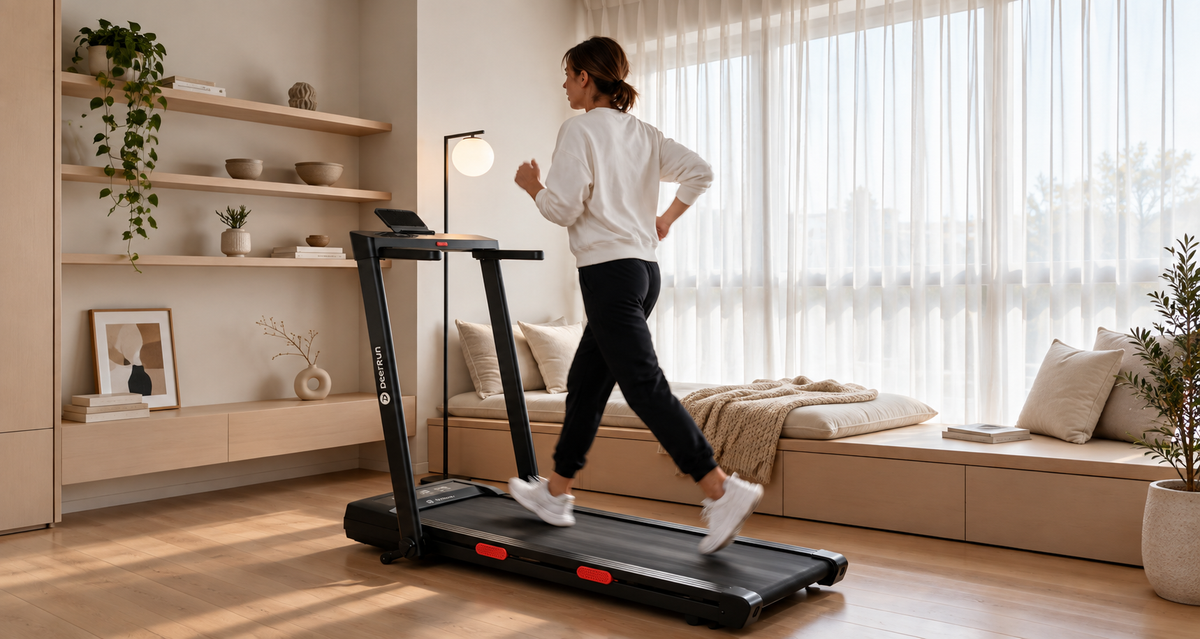


Leave a comment
All comments are moderated before being published.
This site is protected by hCaptcha and the hCaptcha Privacy Policy and Terms of Service apply.