








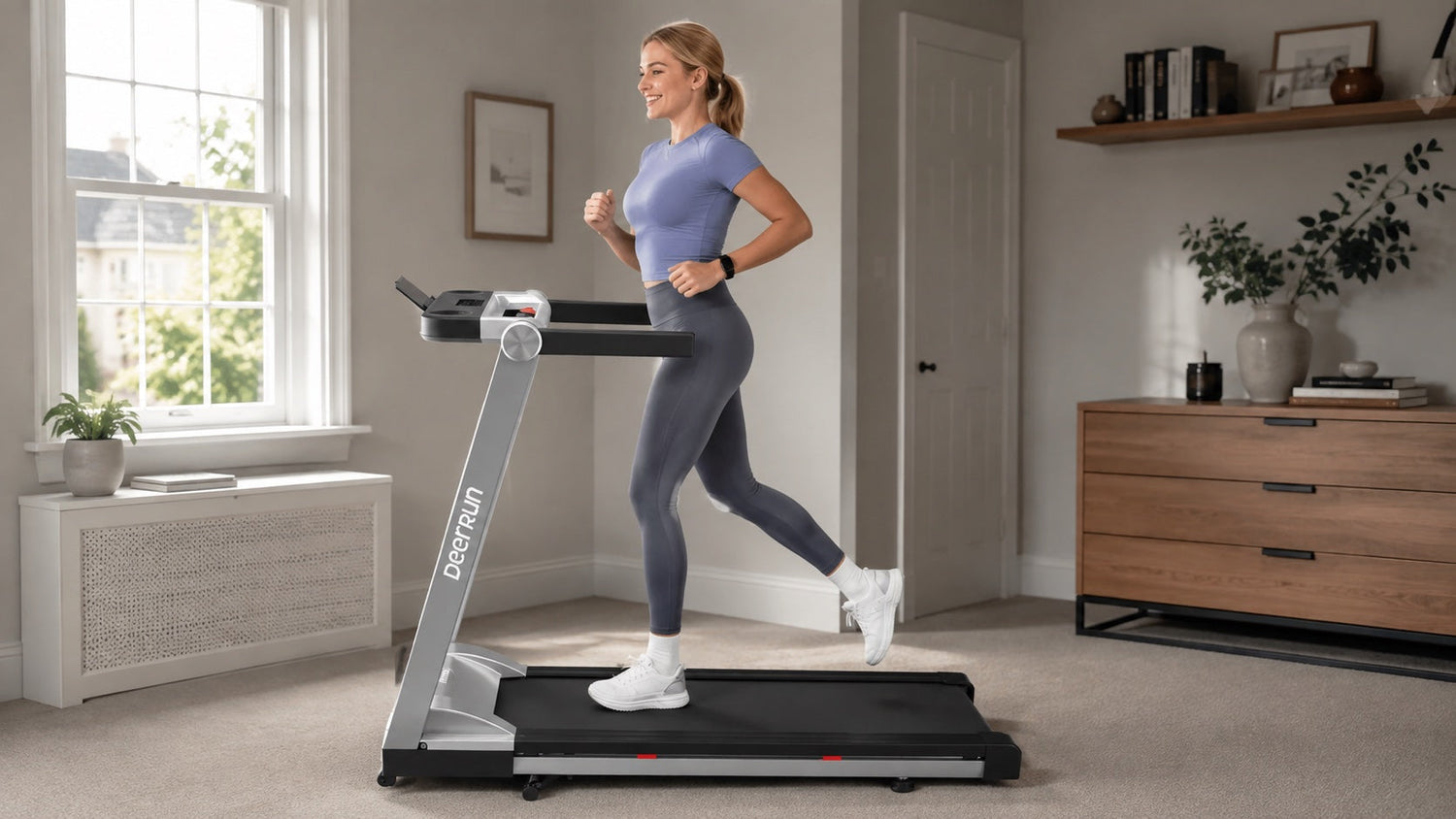
A useful treadmill routine should help you move regularly without making every session feel like a test. The simplest approach is to combine easier days, one focused workout and enough recovery to repeat the plan the following week.
Smart coaching can add structure, but it should support your judgement rather than replace it. Use workout suggestions, heart-rate information and progress trends as feedback, then adjust the session if your body feels unusually tired or uncomfortable.

Start with Your Real Schedule
Look at the week ahead before choosing workouts. Three manageable sessions are more useful than six ambitious sessions that do not fit around work, sleep and family commitments.
Choose two or three reliable time slots and leave space between harder days. Beginners may start with walking and short jogs; experienced runners can use the same structure with longer or faster sessions.
Day 1: Easy Walking or Jogging
Begin with 20–30 minutes at a conversational effort. You should be able to speak in complete sentences. Use the first five minutes to warm up and the last five minutes to slow down.
This session creates a baseline. Note how the pace feels rather than chasing a particular speed.
Day 2: Rest or Gentle Movement
Take a rest day or complete a relaxed walk away from the treadmill. Recovery is part of the plan, especially after returning to exercise or increasing weekly volume.
If smart feedback indicates poor recovery, treat it as a reason to review sleep, stress and recent training—not as a command to force a session.

Day 3: A Focused Interval Session
Warm up for at least five minutes. Then alternate one minute of brisk walking or controlled running with two minutes of easy walking. Repeat the block five or six times and cool down.
The faster intervals should feel purposeful but never uncontrolled. Reduce speed if your posture changes or you cannot recover during the easier sections.
Day 4: Recovery Day
Choose rest, mobility work or a short easy walk. Avoid adding a hard workout simply because the previous session felt successful. Fitness develops when training and recovery work together.
Day 5: Steady Endurance
Complete a comfortable 25–40 minute walk or run. Keep the pace even and resist the urge to finish every session faster than you started.
Use live feedback as a check. If effort rises unexpectedly at the same pace, shorten the session or slow down.
Weekend: Choose One Optional Session
Add one relaxed walk, a short incline session or an outdoor activity you enjoy. Keep at least one complete rest day during the week.
An optional session should remain optional. Skipping it when you are tired can protect the consistency of the main plan.
Review the Week, Not One Workout
At the end of the week, review which sessions you completed, how they felt and whether recovery was adequate. A single difficult workout does not mean the plan failed, and one excellent workout does not mean every session should become harder.
Look for patterns across several weeks. Consistent completion, comfortable pacing and gradual improvement matter more than daily fluctuations.
Progress One Variable at a Time
When the routine feels manageable, add five minutes to one steady session, include one extra interval or make a small speed adjustment. Do not increase speed, duration and incline together.
Repeat the updated plan before changing it again. Small progress is easier to evaluate and more likely to become sustainable.
How the DeerRun A1 Pro AI Fits the Plan
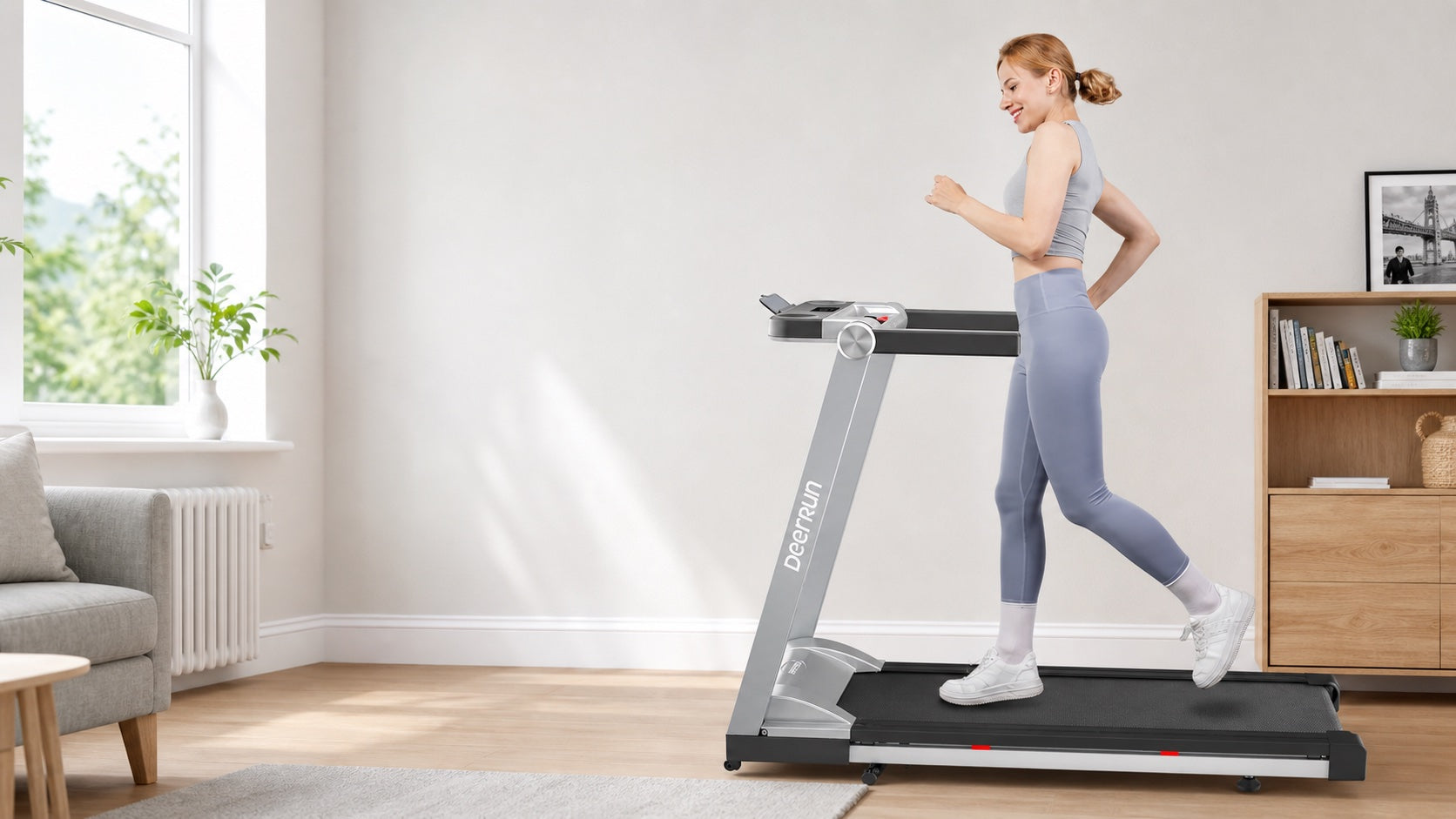
The DeerRun A1 Pro AI treadmill combines a foldable running platform with the PitPat app and a smart wristband. It supports personalised plans, live heart-rate feedback and post-workout progress review, with speeds from 1–16 kph and a 6% incline.
Use these features to make decisions more deliberate. Always follow the product manual, attach the safety key, keep the space clear and stop if you feel unwell.

Keep the Routine Flexible
A balanced week is not a rigid timetable. Move sessions when life changes, replace running with walking when needed and use recovery days without guilt.
The goal is a routine you can repeat. Smart feedback is most valuable when it helps you train with patience, notice patterns and choose the next sensible step.


Leave a comment
All comments are moderated before being published.
This site is protected by hCaptcha and the hCaptcha Privacy Policy and Terms of Service apply.